What We Offer
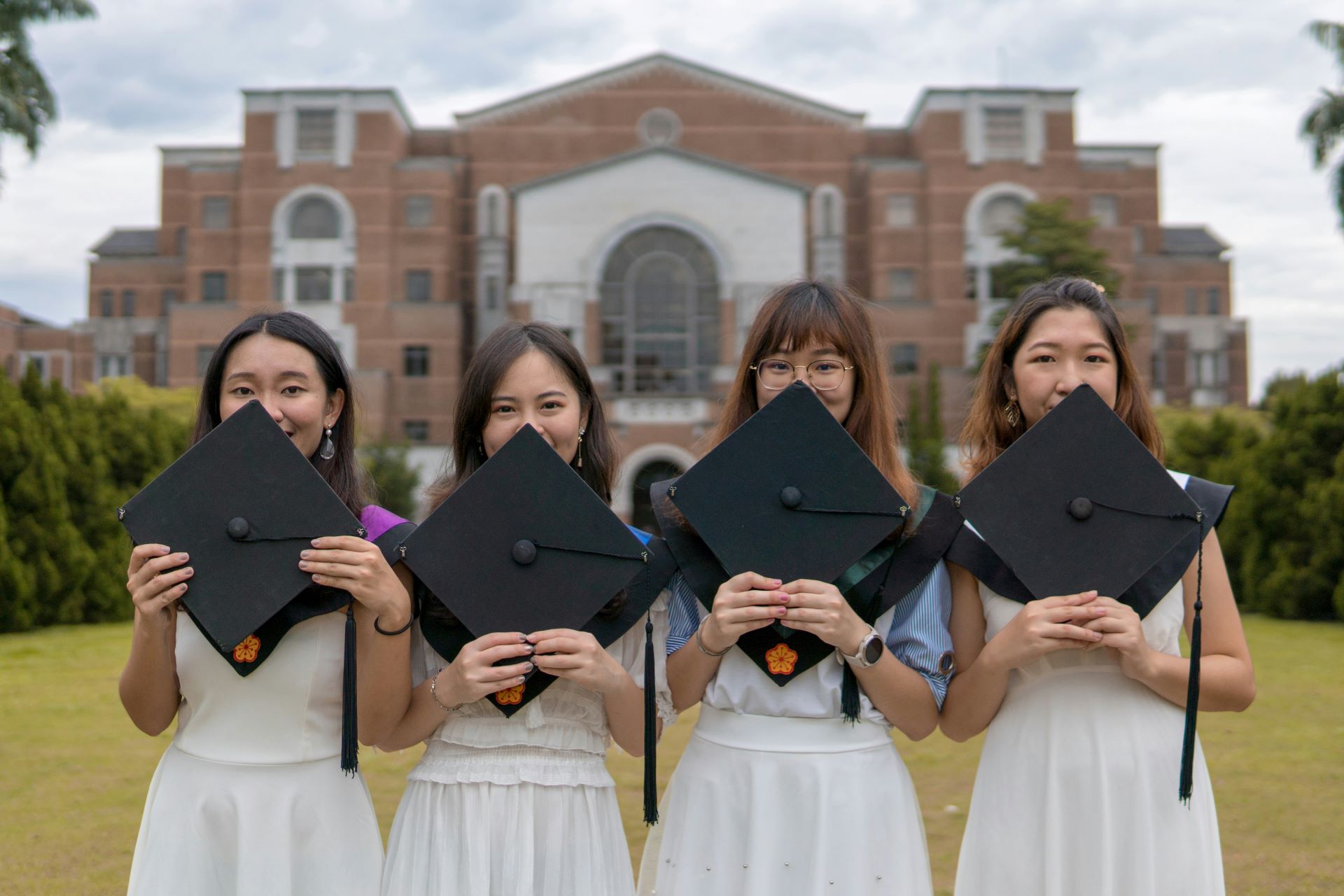
School Planning
Personalized school matching tailored to your child’s profile and goals.

Application Guidance
End-to-end guidance for documents, exams, interviews, and timelines.

Guardianship & Parent Support
Assistance with local guardianship and parent accompaniment solutions.

Settling-In Support
Housing, school adjustment, and living support for a smooth transition.
Academic Pathways
Long-term strategic planning targeting future higher education goals.
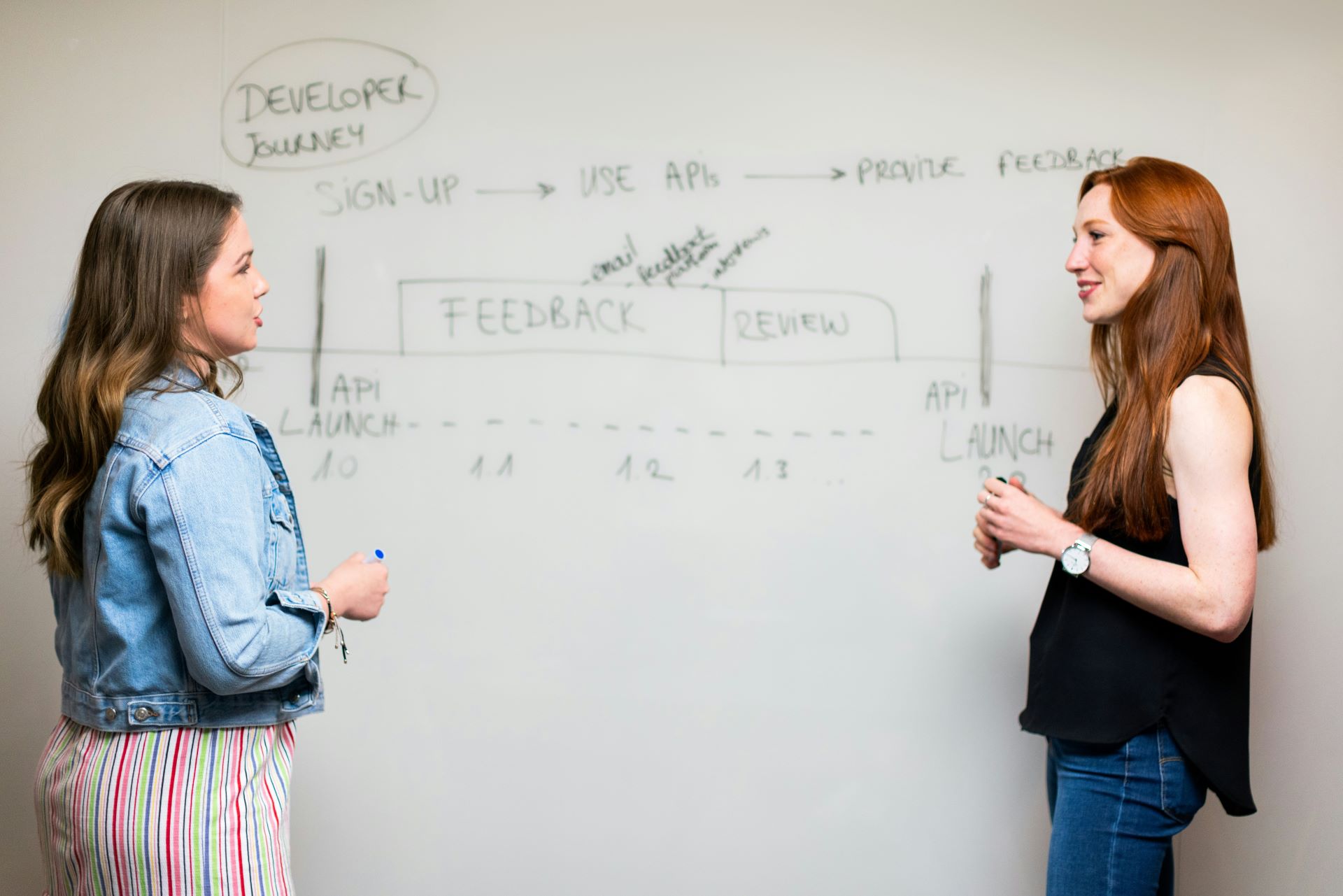
Ongoing Support
Regular communication and progress tracking after enrollment.
Our Process
1
Assessment
Evaluate student profile, goals, and timeline.
2
Planning
Shortlist target schools and map out application path.
3
Application
Prepare documents and guide through every submission.
4
Settling In
Arrange guardianship, housing, and school transition.
Study In Singapore FAQs
What are the main advantages of studying in Singapore?
Many families choose Singapore not only for its geographic proximity to China, excellent public safety, and orderly governance, but also for its unique bilingual environment and multicultural society. It preserves a strong Chinese cultural foundation while delivering an English-medium academic environment, allowing younger students to adapt smoothly without losing touch with Asian heritage. Furthermore, Singapore boasts a mature, world-class education system, making it an ideal spring board for a child’s long-term international education.
What is the best age for a child to study in Singapore?
Study planning should be tailored to the child’s age and stage of development. For kindergarten or lower primary students, the focus is usually on language adaptation and daily routines. For upper primary or secondary students, careful planning is needed based on their English and math proficiency, intake timelines, and preferred school types. For instance, entering government schools typically requires passing the AEIS/S-AEIS exam, which is the primary route for international students into the public system (note that Primary 1 registration for international students does not guarantee admission and prioritizes citizens and permanent residents). For high school students and above, planning should focus on long-term pathways such as O-Levels, A-Levels, IB programs, or polytechnic diplomas.
What types of schools are available in Singapore?
Singapore offers a wide array of educational institutions, including government schools, government-aided schools, international schools, private schools, and higher education institutions. Families seeking complete immersion in the local education system often opt for government schools, while international schools are popular for their flexible intake schedules and global curricula. When choosing, parents should look beyond rankings and evaluate their child’s age, language foundation, adaptability, family budget, and future academic goals to find the best match.
Is a student visa required to study in Singapore?
In most cases, yes. Under ICA (Immigration & Checkpoints Authority) regulations, foreign students enrolled in full-time programs at Singapore educational institutions must hold a valid Student’s Pass, unless they hold an eligible Dependant’s Pass (DP), Long-Term Visit Pass (LTVP), or Immigration Exemption Order. The standard process follows “admission offer first, then Student’s Pass application.” Specific requirements vary by school and program, and studying long-term on a tourist visa is strictly prohibited.
Can parents accompany their child while studying in Singapore?
Yes, parents can apply to accompany their child, though approval depends on meeting specific eligibility criteria. Under current regulations, for students holding a Student’s Pass, one parent (or grandmother) may apply for a Long-Term Visit Pass (LTVP). For the first year, a local sponsor who is a Singapore Citizen or PR over 21 years old is required. Please note that an LTVP does not grant immediate permission to work; accompanying guardians are generally not permitted to work during their first year. After residing for one year, if employment is secured, the employer can apply for a Work Permit on their behalf. Therefore, accompaniment planning should account for legal status, family cash flow, and career considerations alongside the child’s school admission.
What expenses are involved in studying in Singapore?
Study abroad costs extend beyond tuition fees alone. A comprehensive budget typically covers tuition, miscellaneous fees, accommodation, meals, transportation, insurance, uniforms, textbooks, and extracurricular or tutoring expenses. Tuition varies significantly based on residency status (e.g., PR vs. International) and school type (Government vs. Private/International). Public school fee structures can be verified on the MOE official website, while overall costs for international and private schools are generally higher, requiring budget allocation for additional items such as application fees, registration fees, security deposits, and school bus transportation. Parents are advised to calculate full annual costs and establish a sustainable financial plan aligned with family resources and long-term residency goals.
We welcome you to connect with us via any of the following channels.
Business Email
contact@eagleedutour.com
Contact Number
+65 93450527
 Scan to chat on WhatsApp
 Scan to add Customer Service